The three things a hometown crew sees move a quote
Drive US 123 or SC 93 around Easley and the pattern repeats: a mature hardwood sitting a little too close to a roofline, a pine leaning over a back fence, a backyard you can only reach through a side gate. Those details, more than the tree's species, decide the price. Crews working out of Easley keep running into the same three drivers.
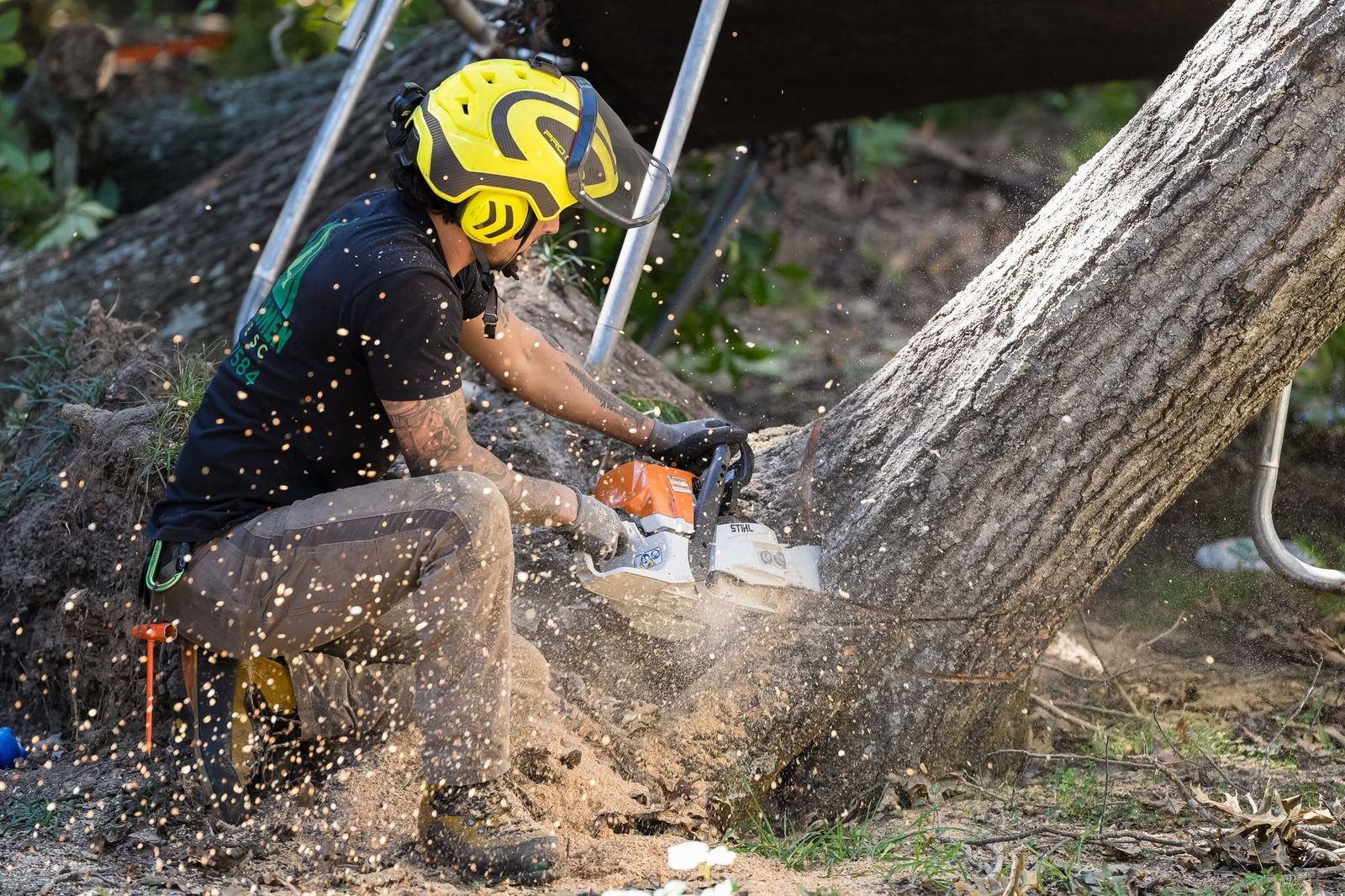
- Proximity. A tree with open fall space is a cheap job. A tree over a house, a carport or a service drop has to be rigged and lowered in pieces, which takes more people and more hours.
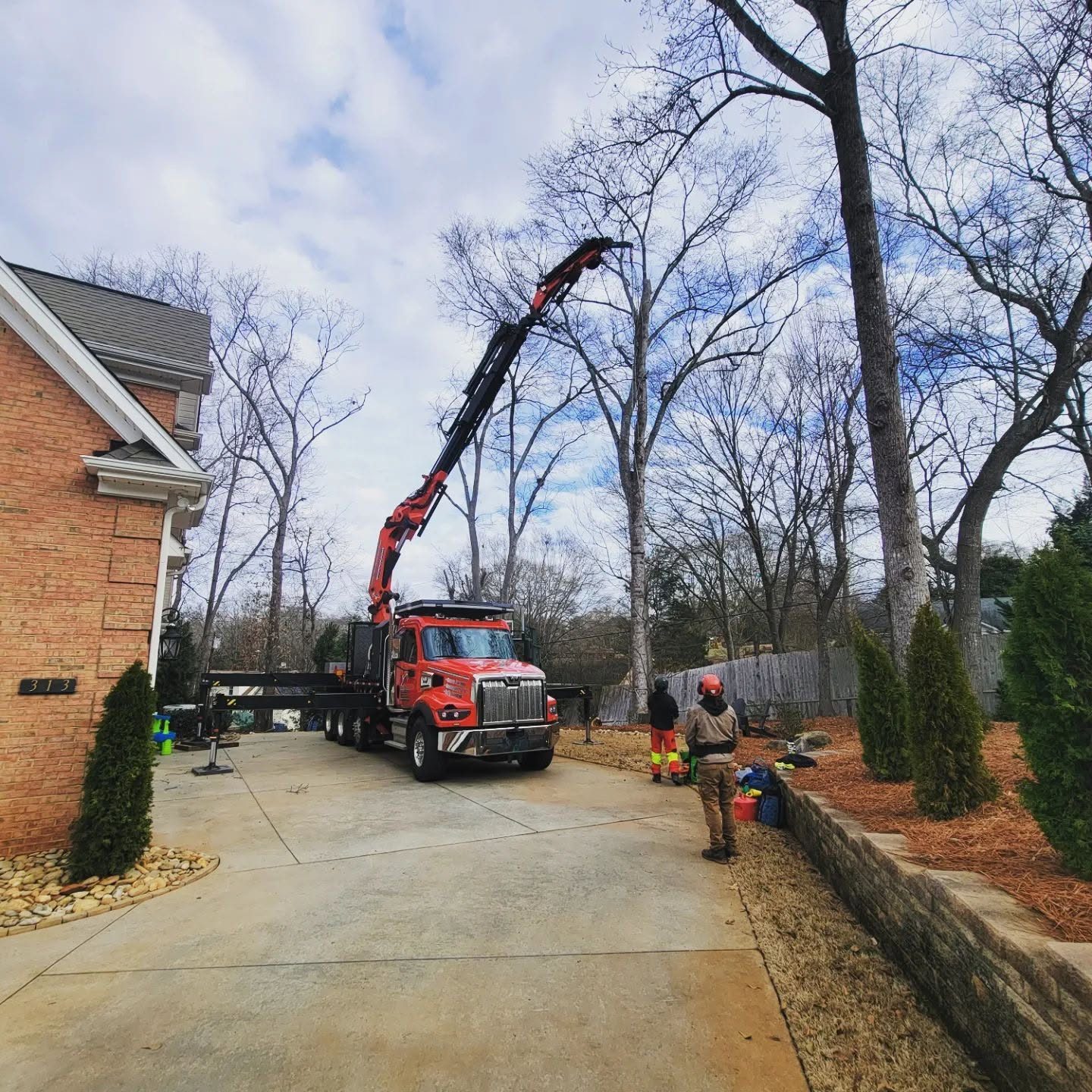
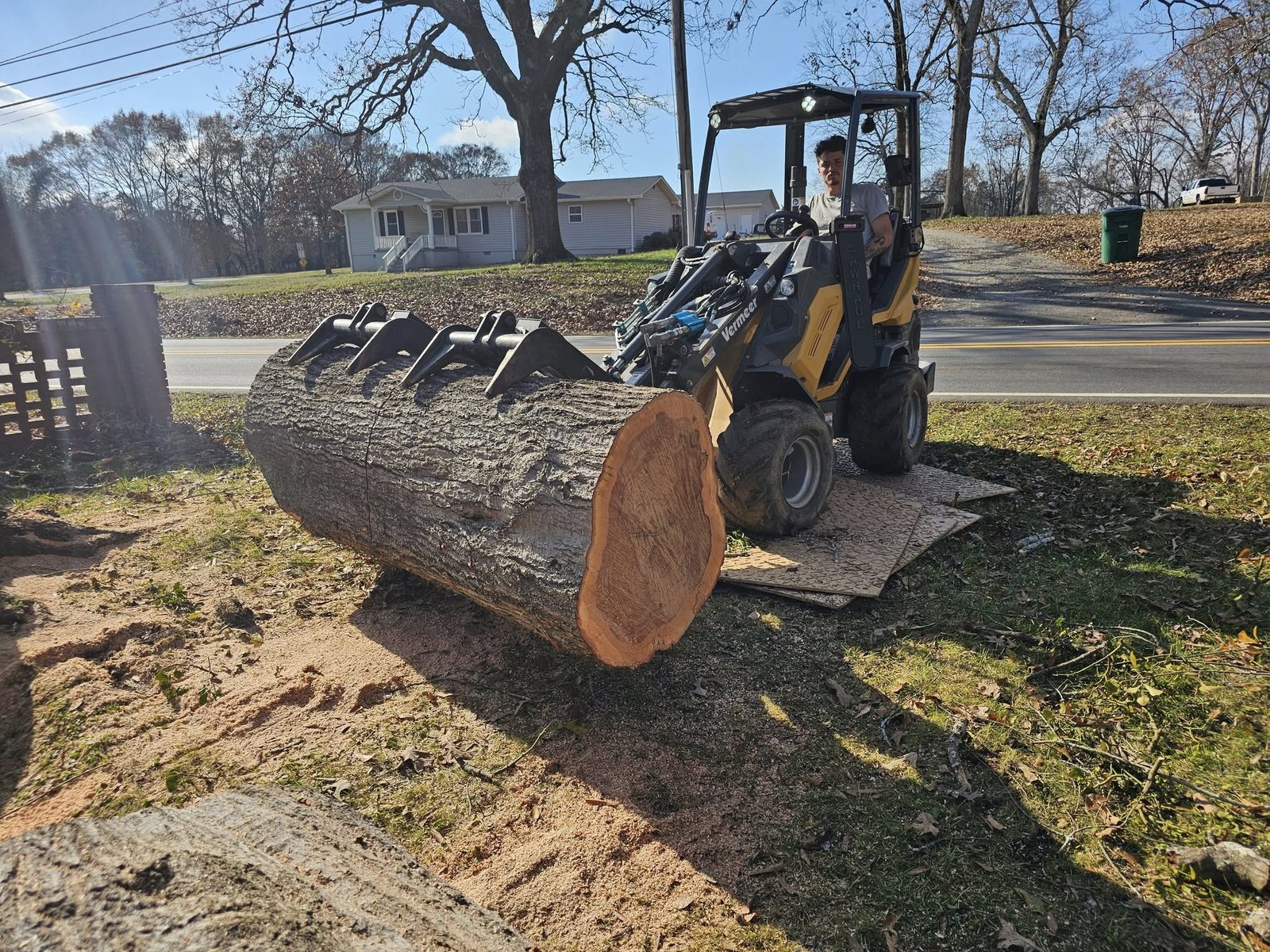
- Access. If a grapple-saw crane truck or a compact loader on ground mats can get to the tree, the job moves fast. If everything has to be hand-carried through a gate, labor climbs.
- Scope of cleanup. Chipping the brush, hauling the wood, and grinding the stump are each separate line items on most bids.
Easley is a town of about 26,000 people, and the housing mix shows up in the quotes. Older in-town lots tend to have large trees planted decades ago, close to the structures that now sit under them. Newer subdivisions often have smaller yards, fenced backs and little room to swing a boom. Out toward the county's wooded acreage, space is rarely the problem, but long driveways, soft ground and distance from the road can be.
The same species can price very differently from one lot to the next. A tall oak in an open field might be a straightforward felling job. The same oak hanging over a pool, a shed and a neighbor's fence is a rigging job, with the crew lowering each section on ropes instead of dropping it. When you compare bids, ask each crew how they plan to bring the tree down, because the method explains most of the gap between two numbers.
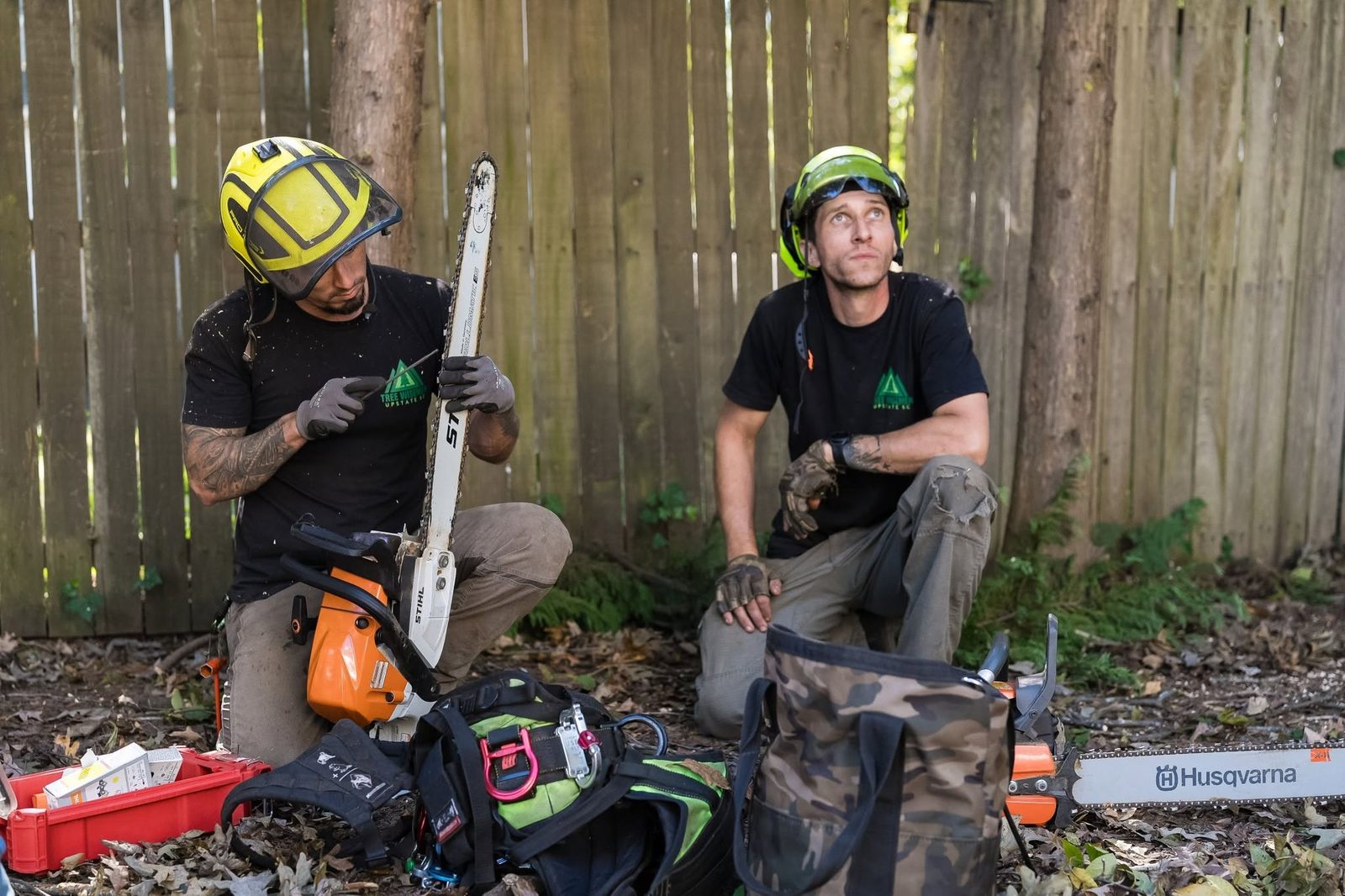
Send photos before anyone drives out. Tree Wisemen is family owned, based in Easley, takes texted photos at (415) 850-7584, and does free estimates within 50 miles. A few pictures from different angles, plus a shot of the path from the street to the tree, let a crew judge access and proximity before the visit. For the wider service picture, see our tree service in Easley page.
Typical price ranges for Easley removals
Pickens County lots run from older in-town yards to wooded acreage off SC 8 and SC 135, so the spread is wide. These are typical Upstate SC ranges, not a quote from any one company.
| Scope of work | Typical range | What drives it |
|---|---|---|
| Small or medium tree, open access | $300 – $700 | height, clear drop zone, easy chipper reach |
| Large tree, yard with some obstacles | $700 – $1,400 | trunk diameter, fences, rigging time |
| Large tree over a structure or near lines | $1,200 – $2,000 | crane or rigging, extra crew, risk |
| Big or hazardous tree, storm damage | $2,000 – $3,000+ | crane time, tangled limbs, urgency |
| Stump grinding add-on | Quoted separately | diameter, roots, tight access |
Read the table as a map of where a job is likely to land, not a promise. A tree that looks medium from the street can have a wide, heavy crown, a split trunk or dead limbs that slow the work. A tree that looks huge can be simple if it stands alone with a clear lane to fall. That is why a photo or a short visit beats a guess over the phone.
Ask what the bid includes before you compare totals. One number may cover brush chipping and wood hauling, while another leaves the logs in your yard. Some jobs also involve leaving the wood cut to length for firewood, which changes the labor. An itemized bid makes the comparison honest.
For the region-wide picture, our tree removal cost guide breaks down the same factors across the Upstate, and the stump grinding cost guide covers the add-on.
Storms, wind and the jobs that cost more
Pickens County has a long federal storm record: 23 federally declared disaster events across 2005-2026, many of them wind, flood and severe weather. Hurricane Helene reached the Upstate in September 2024, and trees weakened by saturated soil and wind can fail months later. A leaning, cracked or root-heaved tree is cheaper to take down on a calm day than after it lands on something.
Warning signs worth a photo include soil lifting on one side of the trunk, fresh cracks where limbs join, large dead branches in the crown, and a lean that is new rather than long-standing. Mushrooms or soft, crumbling wood near the base can also point to decay. If you see any of these over a house, a driveway or a play area, get it looked at sooner rather than later. Clemson's Home and Garden Information Center is a helpful place to read up on tree health and decay before you call.
Emergency work costs more because it is urgent, the tree is already tangled with a roof or wires, and the crew has to work around damage. Tree Wisemen offers 24-hour storm response, but a planned removal almost always costs less. Watch the forecast through the National Weather Service Greenville-Spartanburg and book trouble trees before the next front.
After a big storm, demand spikes across the whole area and crews get stretched. Calling early on a tree you already worry about keeps you out of that rush.
If a tree has already struck your house, tree removal is one job and roof or structural repair is another, and the repair side is a licensed trade.
Power lines, utilities and digging
Anywhere a tree reaches service lines, the price and the rules change. OSHA's 10-foot distance binds workers rather than homeowners, but it is the right distance for anyone to keep. Only workers trained as line-clearance tree trimmers under 29 CFR 1910.269 may work inside 10 feet of energized lines, so a crew that is not trained will stop and call the utility. OSHA's tree care safety guidance explains why.
In practice this matters on many Easley streets, where service drops run from poles to houses through the same space the tree canopy fills. If a limb is touching or close to a line, do not climb, prune or pull on it yourself. Treat it as a job that may need the utility involved, and expect that it can add time before the tree work begins.
If stump removal or replanting means digging, SC811 requires three full working days' notice before excavation. Skipping that call is a safety problem that can turn a modest job into a costly one, especially with buried gas, water, power and communication lines running through yards.
Choosing a crew without overpaying
South Carolina does not license tree removal, trimming or stump grinding, so the state will not vouch for anyone. What protects you is paperwork and proof:
- Certificate of insurance. Ask any crew, including us, for a current certificate showing general liability and workers' compensation before work starts. The SC Department of Insurance is the place for questions about coverage.
- References and photos. Ask for photos of similar jobs and a couple of names you can call.
- An itemized bid. Removal, cleanup, hauling and stump work should each be written out.
A voluntary credential like ISA certification is worth asking about, and ISA's Trees Are Good explains what it means. Be wary of door-knockers after storms and anyone who wants cash up front.
The cheapest number is not always the best value. A low bid that skips cleanup, or that comes from a crew with no insurance paperwork, can leave you paying for a second visit or for damage. Equipment matters too: a crew with a crane truck, chipper, stump grinder and compact loader can often finish a tricky job in one visit, where a hand-carry crew may need several days.
It also helps to hire someone local. Greenville is only about 12 miles east, but a crew based right in Easley knows the roads, the lot types and how the weather tends to behave here. Look for steady reviews and neighbors who will vouch for the work, and make sure you are comfortable with the plan before signing anything.