An old hardwood stump in Laurens County never really sits still
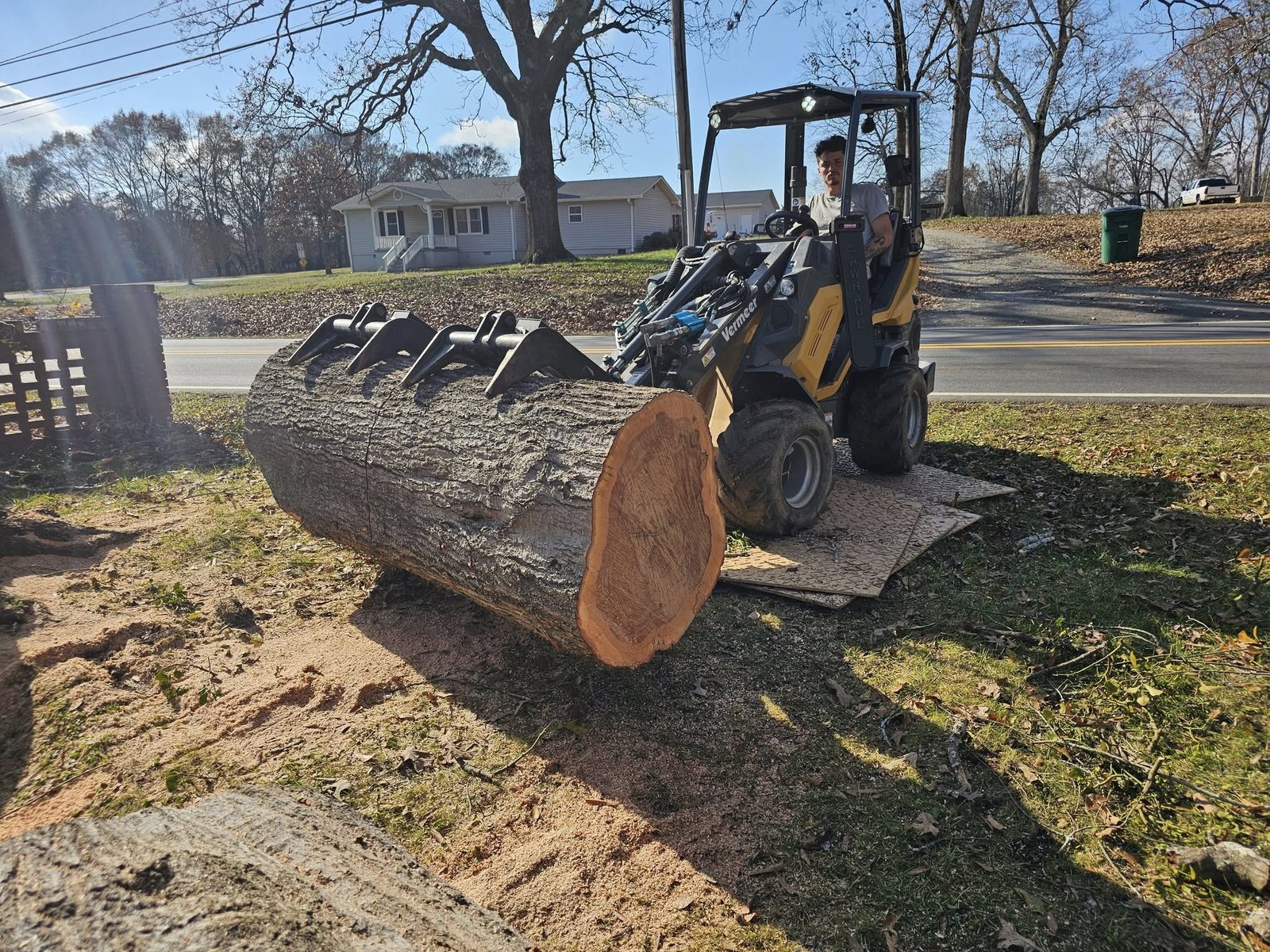
Drive the back roads off US 76 or US 221 in Laurens County and you will see the same yard scene again and again: a hardwood that came down years ago, cut off at knee height, with a ring of suckers, a few shelf mushrooms, and a lawn mower that has learned to swerve. The stump looks finished. It is not. An oak or hickory stump can sit for a decade, rotting from the outside in while the roots underneath stay alive enough to keep throwing up sprouts.
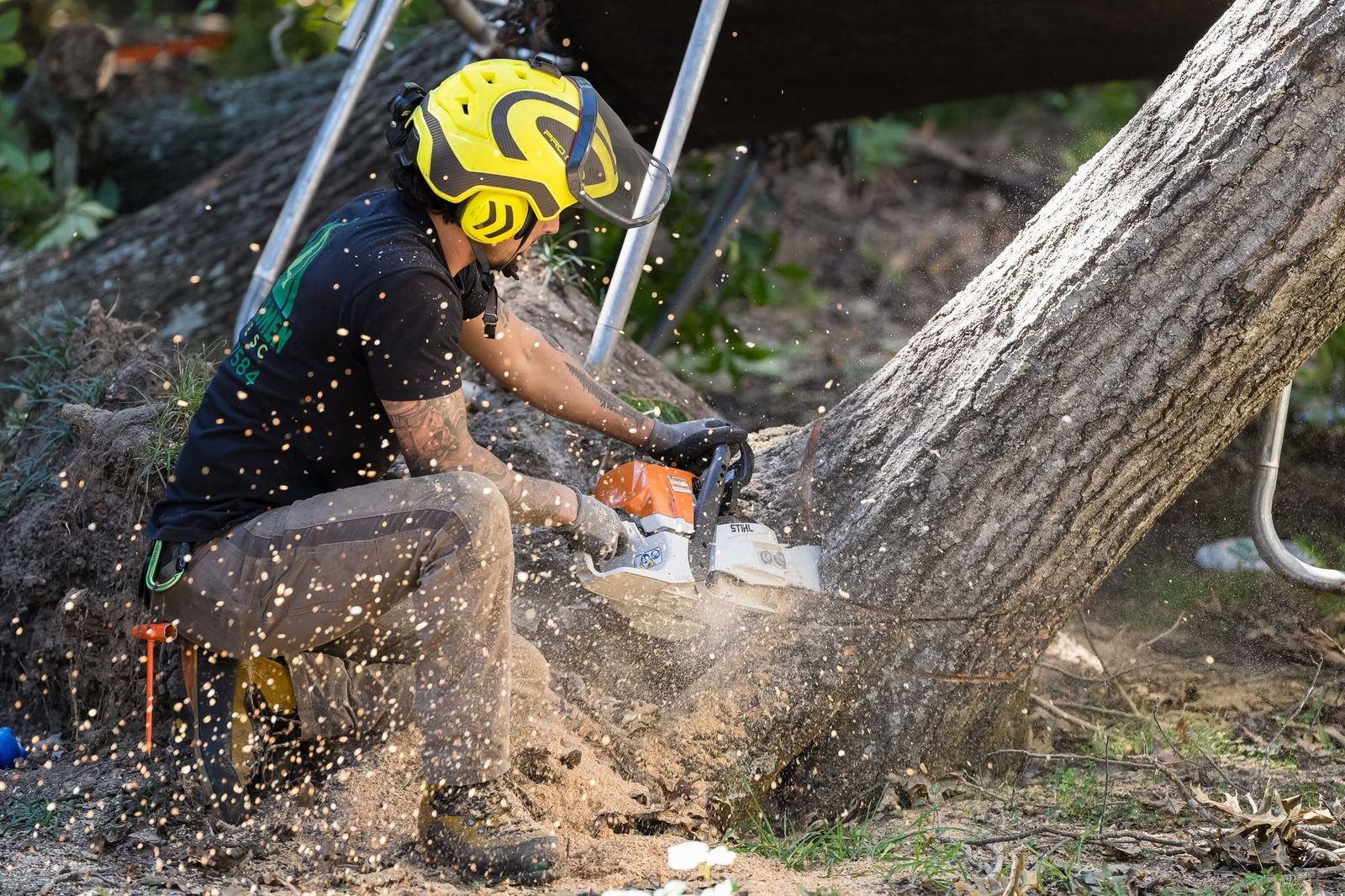
That is the real decision on an old stump: leave it to rot, or grind it out. Rot is slow and uneven. The outer sapwood goes soft first, but the heartwood of a big hardwood can stay stubbornly solid for years, and a half-rotted stump is a poor place to be digging by hand. Grinding turns the whole thing, root flare included, into chips in a single visit. Our general stump grinding overview covers how the process works start to finish.
Resprouting, rot, and what leaving it really costs you
Many hardwoods answer being cut by sending up shoots from the stump and the roots. Cutting the shoots back only buys a season. Each flush of sprouts wears down the root reserves slowly, so a stump can resprout for years before it quits, and in the meantime you are trimming it like a shrub you never planted.
Rot brings its own problems. Soft, decaying wood holds moisture and draws carpenter ants, termites, and beetles. Fungus fruiting on a stump is a sign that decay is well underway, not a sign that the stump is about to vanish. Clemson's Home and Garden Information Center is a good place to read up on stump decay and sprout control if you want the horticulture side before deciding.
Leaving a stump is a fair choice when it is out of the way, hidden in a hedgerow, or serving as a planter. Grinding makes sense when it sits in mowing space, near a driveway or patio, or where you want to replant. If you are weighing the two, our page on living with a stump in the yard goes through that tradeoff in more detail.
Typical Laurens pricing by stump size and condition
Grinding is priced per stump, and the main drivers are diameter, how far the roots spread above grade, and whether the wood is sound or punky. Old rotted stumps often grind faster than fresh ones, but a big hardwood with a wide root flare still takes real time and real teeth. The table shows typical Upstate SC ranges, not a Tree Wisemen quote.
| Stump scope | Typical range |
|---|---|
| Small stump, under about 12 inches, open access | $100 to $150 |
| Mid-size hardwood, about 12 to 24 inches, some surface roots | $150 to $250 |
| Large old hardwood, 24 inches and up, heavy root flare | $250 to $400 |
| Tight access or fenced yard needing a smaller machine | Toward the upper end of the stump's size range |
Several stumps on one visit are usually easier to price than a single one, because the crew only sets up once. For a fuller walk-through of what changes the number, see the stump grinding cost guide.
Before the grinder rolls: lines, pipes, and rocks
Grinding cuts well below ground, so what is under the stump matters. In Laurens, a stump near a house, a mailbox, or the road edge may have water, gas, electric, or irrigation lines close by. South Carolina's SC811 requires three full working days' notice before excavation, and it is smart to call before any job that goes deep near buried utilities. Tell the crew about septic lines, well lines, and invisible dog fences too, since those rarely show on any utility map.
Overhead is the other check. If a stump is where a tree stood under power lines, remember that only workers trained as line-clearance tree trimmers under 29 CFR 1910.269 may work inside 10 feet of energized lines. OSHA's tree care safety page explains the rule, and 10 feet is a sensible distance for any homeowner to keep as well.
Storm-felled trees and the stumps they leave behind
Many stumps in this county are leftovers from weather, not from planned removals. Federal records show 20 disaster declarations touching Laurens County across 1984-2026, and each round of storms leaves some trees snapped or uprooted. Hurricane Helene reached the Upstate in September 2024, and yards across the region are still dealing with the aftermath. The National Weather Service in Greenville-Spartanburg covers the forecasts and warnings that tend to precede that kind of damage.
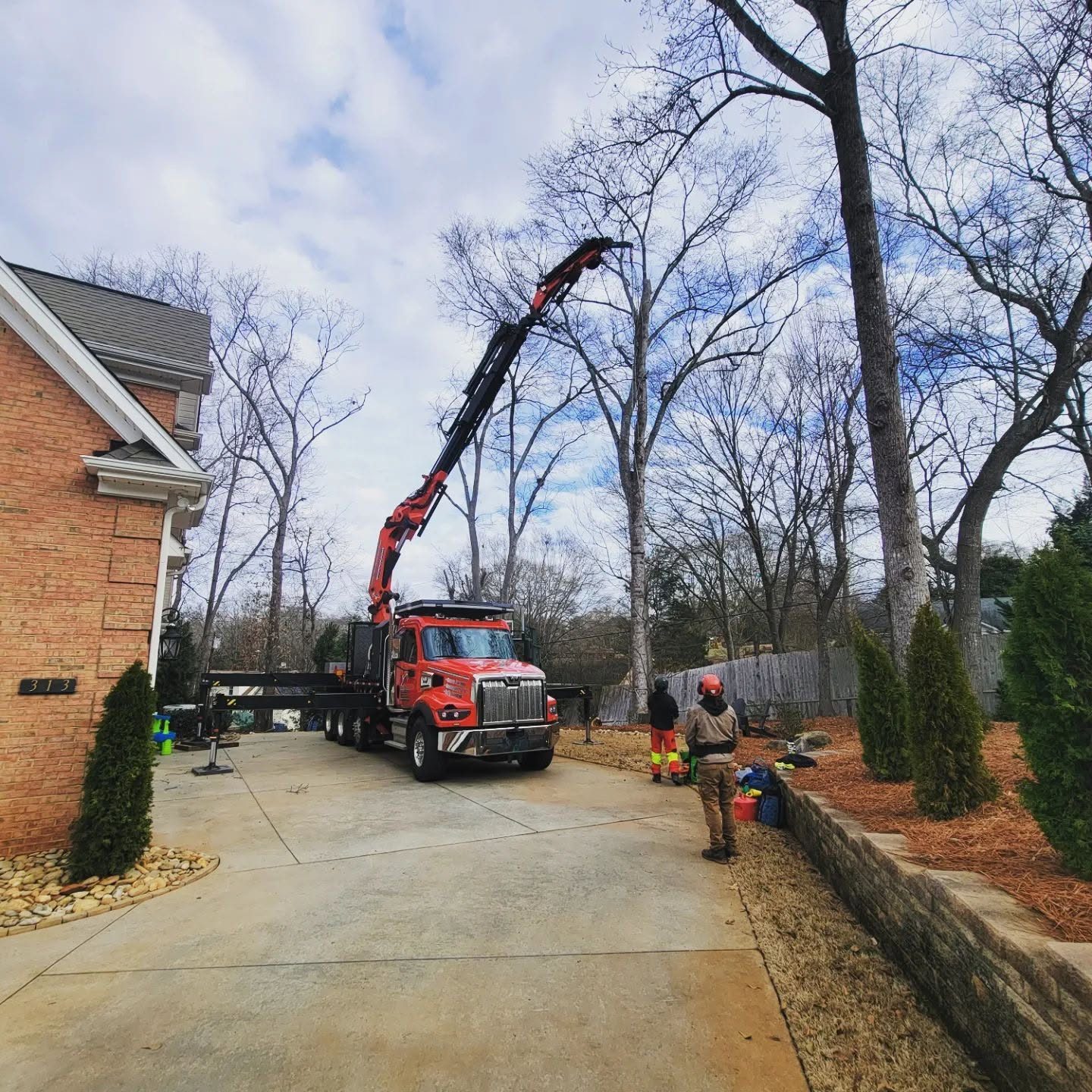
A storm stump is often split, leaning, or half-rotted already, and the hole it leaves can be a hazard. Grinding fills that hole with chips you can use as a base for fresh soil. If a tree also hit your roof or siding, that repair belongs to a licensed building trade, and stump work can come after the structure is secure.
Choosing a crew and handling the chips
South Carolina has no state license for stump grinding or tree work, so what protects you is paperwork and proof. Ask any crew, including us, for a current certificate of insurance covering general liability and workers' compensation before work starts, plus references and photos of similar jobs. The SC Department of Insurance is a useful resource if you want to understand what those coverages mean.
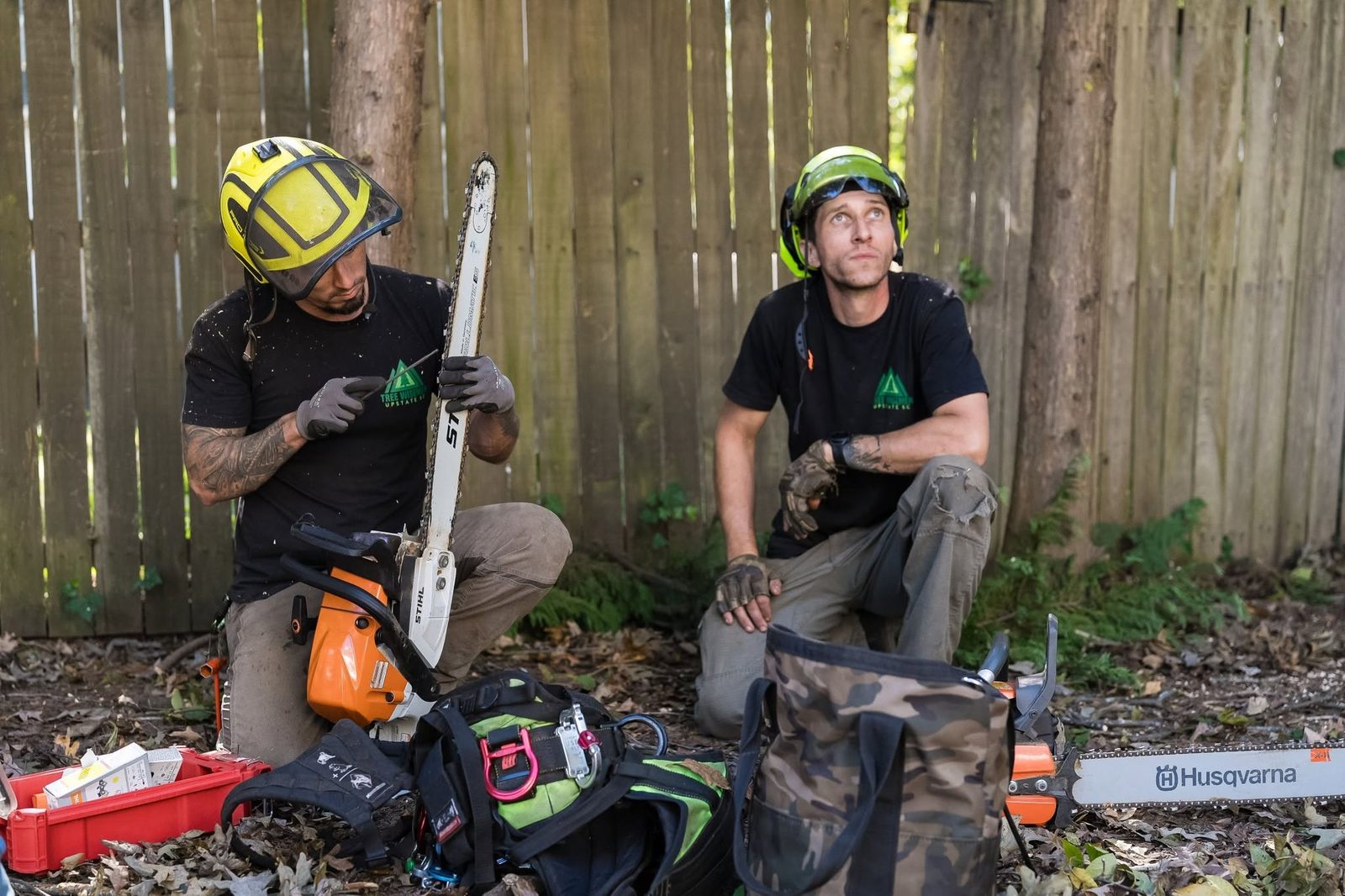
Tree Wisemen is family owned, based in Easley, and has worked the Upstate since 2020. Laurens sits about 38.7 miles southeast of Easley, inside our free-estimate radius of 50 miles. Text a photo of the stump to (415) 850-7584 and we can talk through size and access before anyone drives out.
Plan for the chips: a grinding leaves a mound of mulch-like material that settles over time. Fresh wood chips are fine for beds, but pull some back from the grind hole before you plant grass or a new tree there. Do not burn leftover stump material without checking the rules; outside town limits, South Carolina law requires notifying the SC Forestry Commission before outdoor burning.